Blog Explaind Blog Explaind
  • +123 125 145
  • admin@blogexplaind.com
Wed, Jan 14, 2026

Blog Explaind Blog Explaind

  • Lifestyle

    Fleas are more than just an annoyance. These tiny, blood-sucking parasites pose significant dangers to both humans and pets, making it crucial to understand their risks and how professional pest control services can eliminate infestations effectively. Here’s an in-depth look at the dangers fleas bring and how expert pest control can help.

    The Dangers of Fleas

    Health Risks to Pets

    Fleas are a common nuisance for pets like cats and dogs, but the consequences of an infestation go beyond mere discomfort. Key dangers include:

    • Skin Irritation and Allergies: Fleas cause severe itching, which can lead to skin infections and hair loss in pets. In some cases, pets may develop flea allergy dermatitis (FAD), an allergic reaction to flea saliva.
    • Transmission of Tapeworms: Fleas often carry tapeworm larvae, which pets can ingest while grooming themselves. This leads to tapeworm infections that can cause weight loss and discomfort.
    • Anemia in Severe Infestations: Large flea populations can drain a significant amount of blood from their host, particularly harmful to kittens, puppies, and elderly pets. Flea-induced anemia can be life-threatening without prompt treatment.

    Health Risks to Humans

    While fleas prefer animal hosts, humans are not immune to their bites and associated risks:

    • Itchy Bites and Allergic Reactions: Flea bites leave red, itchy welts, often clustered on the ankles and legs. Some people may experience allergic reactions, leading to severe itching and inflammation.
    • Disease Transmission: Historically, fleas have been infamous for spreading diseases such as the bubonic plague. While rare today, fleas can still transmit pathogens like Bartonella henselae (cat scratch fever) and Rickettsia (typhus).
    • Psychological Distress: Living in a flea-infested environment can lead to stress and anxiety for individuals and families, particularly when bites persist despite home remedies.

    Rapid Reproduction and Widespread Infestation

    One of the most dangerous aspects of fleas is their rapid reproduction cycle. A single flea can lay up to 50 eggs per day, leading to exponential growth of the infestation. Without effective intervention, fleas can quickly spread throughout your home, embedding themselves in carpets, furniture, and bedding.

    Flea, Siphonaptera SEM

    How Can Expert Pest Control Help?

    Professional pest control services are essential for addressing flea infestations at their source. Here’s how Expert Pest Control can make a difference:

    1. Comprehensive Inspection

    A successful flea treatment starts with identifying the extent and source of the infestation. Expert pest controllers will:

    • Inspect your home, focusing on areas where fleas are most likely to thrive, such as pet bedding, carpets, and upholstered furniture.
    • Identify hot spots where fleas lay eggs and larvae develop, ensuring the treatment targets the entire life cycle.

    2. Tailored Treatment Plans

    Every flea infestation is unique, requiring a customized approach. Pest control professionals use their expertise to:

    • Select the most effective treatment methods for your specific situation, including chemical sprays, insect growth regulators (IGRs), and heat treatments.
    • Apply treatments safely, minimizing risks to your family and pets while ensuring maximum efficacy.

    3. Eradication of Flea Life Stages

    Flea infestations are notoriously difficult to eliminate due to their life cycle, which includes eggs, larvae, pupae, and adults. Expert pest control addresses all stages by:

    • Using IGRs to prevent flea eggs and larvae from maturing into biting adults.
    • Applying treatments designed to penetrate carpets, cracks, and crevices, where flea pupae often hide.

    4. Prevention Strategies

    In addition to removing fleas, pest control experts help prevent future infestations by:

    • Providing advice on flea prevention, such as regular pet grooming, vacuuming, and washing pet bedding.
    • Offering long-term solutions like perimeter sprays and ongoing pest management services.

    5. Safe and Environmentally Friendly Solutions

    Modern pest control companies prioritize safety and environmental responsibility. They use eco-friendly products and techniques that effectively eliminate fleas without harming beneficial insects or polluting the environment.

    Why Choose Professional Pest Control Over DIY Methods?

    Many homeowners attempt to manage flea infestations with over-the-counter sprays and DIY remedies. While these methods may offer temporary relief, they often fail to address the root cause. Here’s why professional pest control is a better choice:

    • Expert Knowledge: Pest controllers understand flea biology and behaviour, enabling them to create targeted and effective treatment plans.
    • Specialized Equipment: Professionals use high-grade tools and products unavailable to the public, ensuring thorough and lasting results.
    • Time and Cost Savings: DIY efforts can be time-consuming and expensive, especially when they fail to resolve the infestation. Professional services provide efficient, one-time solutions.
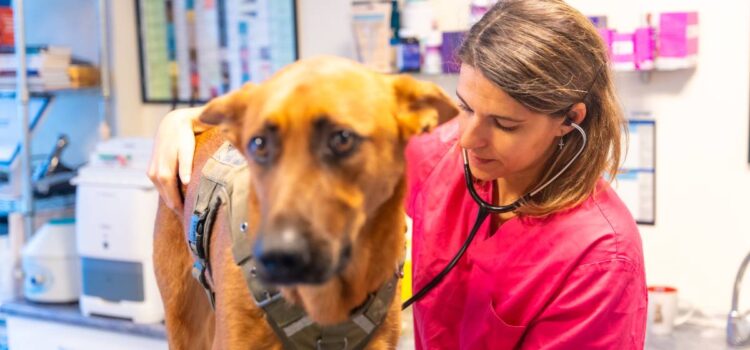
    golden retriever, dog, pet, retriever

    Steps to Take Before and After Pest Control Treatment

    Before Treatment

    To ensure optimal results, prepare your home for flea treatment by:

    1. Vacuuming carpets and furniture to remove debris and flea eggs.
    2. Washing pet bedding, rugs, and other fabrics in hot water.
    3. Removing pets, food, and toys from treated areas to ensure safety.

    After Treatment

    Once the pest control service is complete:

    1. Avoid cleaning treated surfaces for at least two weeks to allow the insecticide to work effectively.
    2. Monitor your pets for fleas and use veterinarian-recommended flea preventatives.
    3. Continue vacuuming regularly to remove any remaining flea eggs or larvae.

    The Role of Expert Pest Control Services in Your Peace of Mind

    Hiring professional pest control services not only eliminates fleas but also restores comfort and safety to your home. The expertise and advanced techniques used by pest control specialists ensure that infestations are handled swiftly and effectively, preventing the need for repeated treatments.

    Partner with Experts for a Flea-Free Home

    Fleas are more than a minor inconvenience—they pose serious health risks to pets and humans alike. If you suspect a flea infestation in your home, don’t wait for the problem to worsen. Partnering with expert pest control services ensures that you receive a thorough, professional solution tailored to your needs.

    By choosing experienced pest controllers, you can eliminate fleas at their source, protect your loved ones, and prevent future infestations. Take the first step toward a flea-free home today by contacting a trusted pest control provider in your area.

  • Technology

    Fleas are more than just an annoyance. These tiny, blood-sucking parasites pose significant dangers to both humans and pets, making it crucial to understand their risks and how professional pest control services can eliminate infestations effectively. Here’s an in-depth look at the dangers fleas bring and how expert pest control can help.

    The Dangers of Fleas

    Health Risks to Pets

    Fleas are a common nuisance for pets like cats and dogs, but the consequences of an infestation go beyond mere discomfort. Key dangers include:

    • Skin Irritation and Allergies: Fleas cause severe itching, which can lead to skin infections and hair loss in pets. In some cases, pets may develop flea allergy dermatitis (FAD), an allergic reaction to flea saliva.
    • Transmission of Tapeworms: Fleas often carry tapeworm larvae, which pets can ingest while grooming themselves. This leads to tapeworm infections that can cause weight loss and discomfort.
    • Anemia in Severe Infestations: Large flea populations can drain a significant amount of blood from their host, particularly harmful to kittens, puppies, and elderly pets. Flea-induced anemia can be life-threatening without prompt treatment.

    Health Risks to Humans

    While fleas prefer animal hosts, humans are not immune to their bites and associated risks:

    • Itchy Bites and Allergic Reactions: Flea bites leave red, itchy welts, often clustered on the ankles and legs. Some people may experience allergic reactions, leading to severe itching and inflammation.
    • Disease Transmission: Historically, fleas have been infamous for spreading diseases such as the bubonic plague. While rare today, fleas can still transmit pathogens like Bartonella henselae (cat scratch fever) and Rickettsia (typhus).
    • Psychological Distress: Living in a flea-infested environment can lead to stress and anxiety for individuals and families, particularly when bites persist despite home remedies.

    Rapid Reproduction and Widespread Infestation

    One of the most dangerous aspects of fleas is their rapid reproduction cycle. A single flea can lay up to 50 eggs per day, leading to exponential growth of the infestation. Without effective intervention, fleas can quickly spread throughout your home, embedding themselves in carpets, furniture, and bedding.

    Flea, Siphonaptera SEM

    How Can Expert Pest Control Help?

    Professional pest control services are essential for addressing flea infestations at their source. Here’s how Expert Pest Control can make a difference:

    1. Comprehensive Inspection

    A successful flea treatment starts with identifying the extent and source of the infestation. Expert pest controllers will:

    • Inspect your home, focusing on areas where fleas are most likely to thrive, such as pet bedding, carpets, and upholstered furniture.
    • Identify hot spots where fleas lay eggs and larvae develop, ensuring the treatment targets the entire life cycle.

    2. Tailored Treatment Plans

    Every flea infestation is unique, requiring a customized approach. Pest control professionals use their expertise to:

    • Select the most effective treatment methods for your specific situation, including chemical sprays, insect growth regulators (IGRs), and heat treatments.
    • Apply treatments safely, minimizing risks to your family and pets while ensuring maximum efficacy.

    3. Eradication of Flea Life Stages

    Flea infestations are notoriously difficult to eliminate due to their life cycle, which includes eggs, larvae, pupae, and adults. Expert pest control addresses all stages by:

    • Using IGRs to prevent flea eggs and larvae from maturing into biting adults.
    • Applying treatments designed to penetrate carpets, cracks, and crevices, where flea pupae often hide.

    4. Prevention Strategies

    In addition to removing fleas, pest control experts help prevent future infestations by:

    • Providing advice on flea prevention, such as regular pet grooming, vacuuming, and washing pet bedding.
    • Offering long-term solutions like perimeter sprays and ongoing pest management services.

    5. Safe and Environmentally Friendly Solutions

    Modern pest control companies prioritize safety and environmental responsibility. They use eco-friendly products and techniques that effectively eliminate fleas without harming beneficial insects or polluting the environment.

    Why Choose Professional Pest Control Over DIY Methods?

    Many homeowners attempt to manage flea infestations with over-the-counter sprays and DIY remedies. While these methods may offer temporary relief, they often fail to address the root cause. Here’s why professional pest control is a better choice:

    • Expert Knowledge: Pest controllers understand flea biology and behaviour, enabling them to create targeted and effective treatment plans.
    • Specialized Equipment: Professionals use high-grade tools and products unavailable to the public, ensuring thorough and lasting results.
    • Time and Cost Savings: DIY efforts can be time-consuming and expensive, especially when they fail to resolve the infestation. Professional services provide efficient, one-time solutions.
    golden retriever, dog, pet, retriever

    Steps to Take Before and After Pest Control Treatment

    Before Treatment

    To ensure optimal results, prepare your home for flea treatment by:

    1. Vacuuming carpets and furniture to remove debris and flea eggs.
    2. Washing pet bedding, rugs, and other fabrics in hot water.
    3. Removing pets, food, and toys from treated areas to ensure safety.

    After Treatment

    Once the pest control service is complete:

    1. Avoid cleaning treated surfaces for at least two weeks to allow the insecticide to work effectively.
    2. Monitor your pets for fleas and use veterinarian-recommended flea preventatives.
    3. Continue vacuuming regularly to remove any remaining flea eggs or larvae.

    The Role of Expert Pest Control Services in Your Peace of Mind

    Hiring professional pest control services not only eliminates fleas but also restores comfort and safety to your home. The expertise and advanced techniques used by pest control specialists ensure that infestations are handled swiftly and effectively, preventing the need for repeated treatments.

    Partner with Experts for a Flea-Free Home

    Fleas are more than a minor inconvenience—they pose serious health risks to pets and humans alike. If you suspect a flea infestation in your home, don’t wait for the problem to worsen. Partnering with expert pest control services ensures that you receive a thorough, professional solution tailored to your needs.

    By choosing experienced pest controllers, you can eliminate fleas at their source, protect your loved ones, and prevent future infestations. Take the first step toward a flea-free home today by contacting a trusted pest control provider in your area.

  • Sports

    Fleas are more than just an annoyance. These tiny, blood-sucking parasites pose significant dangers to both humans and pets, making it crucial to understand their risks and how professional pest control services can eliminate infestations effectively. Here’s an in-depth look at the dangers fleas bring and how expert pest control can help.

    The Dangers of Fleas

    Health Risks to Pets

    Fleas are a common nuisance for pets like cats and dogs, but the consequences of an infestation go beyond mere discomfort. Key dangers include:

    • Skin Irritation and Allergies: Fleas cause severe itching, which can lead to skin infections and hair loss in pets. In some cases, pets may develop flea allergy dermatitis (FAD), an allergic reaction to flea saliva.
    • Transmission of Tapeworms: Fleas often carry tapeworm larvae, which pets can ingest while grooming themselves. This leads to tapeworm infections that can cause weight loss and discomfort.
    • Anemia in Severe Infestations: Large flea populations can drain a significant amount of blood from their host, particularly harmful to kittens, puppies, and elderly pets. Flea-induced anemia can be life-threatening without prompt treatment.

    Health Risks to Humans

    While fleas prefer animal hosts, humans are not immune to their bites and associated risks:

    • Itchy Bites and Allergic Reactions: Flea bites leave red, itchy welts, often clustered on the ankles and legs. Some people may experience allergic reactions, leading to severe itching and inflammation.
    • Disease Transmission: Historically, fleas have been infamous for spreading diseases such as the bubonic plague. While rare today, fleas can still transmit pathogens like Bartonella henselae (cat scratch fever) and Rickettsia (typhus).
    • Psychological Distress: Living in a flea-infested environment can lead to stress and anxiety for individuals and families, particularly when bites persist despite home remedies.

    Rapid Reproduction and Widespread Infestation

    One of the most dangerous aspects of fleas is their rapid reproduction cycle. A single flea can lay up to 50 eggs per day, leading to exponential growth of the infestation. Without effective intervention, fleas can quickly spread throughout your home, embedding themselves in carpets, furniture, and bedding.

    Flea, Siphonaptera SEM

    How Can Expert Pest Control Help?

    Professional pest control services are essential for addressing flea infestations at their source. Here’s how Expert Pest Control can make a difference:

    1. Comprehensive Inspection

    A successful flea treatment starts with identifying the extent and source of the infestation. Expert pest controllers will:

    • Inspect your home, focusing on areas where fleas are most likely to thrive, such as pet bedding, carpets, and upholstered furniture.
    • Identify hot spots where fleas lay eggs and larvae develop, ensuring the treatment targets the entire life cycle.

    2. Tailored Treatment Plans

    Every flea infestation is unique, requiring a customized approach. Pest control professionals use their expertise to:

    • Select the most effective treatment methods for your specific situation, including chemical sprays, insect growth regulators (IGRs), and heat treatments.
    • Apply treatments safely, minimizing risks to your family and pets while ensuring maximum efficacy.

    3. Eradication of Flea Life Stages

    Flea infestations are notoriously difficult to eliminate due to their life cycle, which includes eggs, larvae, pupae, and adults. Expert pest control addresses all stages by:

    • Using IGRs to prevent flea eggs and larvae from maturing into biting adults.
    • Applying treatments designed to penetrate carpets, cracks, and crevices, where flea pupae often hide.

    4. Prevention Strategies

    In addition to removing fleas, pest control experts help prevent future infestations by:

    • Providing advice on flea prevention, such as regular pet grooming, vacuuming, and washing pet bedding.
    • Offering long-term solutions like perimeter sprays and ongoing pest management services.

    5. Safe and Environmentally Friendly Solutions

    Modern pest control companies prioritize safety and environmental responsibility. They use eco-friendly products and techniques that effectively eliminate fleas without harming beneficial insects or polluting the environment.

    Why Choose Professional Pest Control Over DIY Methods?

    Many homeowners attempt to manage flea infestations with over-the-counter sprays and DIY remedies. While these methods may offer temporary relief, they often fail to address the root cause. Here’s why professional pest control is a better choice:

    • Expert Knowledge: Pest controllers understand flea biology and behaviour, enabling them to create targeted and effective treatment plans.
    • Specialized Equipment: Professionals use high-grade tools and products unavailable to the public, ensuring thorough and lasting results.
    • Time and Cost Savings: DIY efforts can be time-consuming and expensive, especially when they fail to resolve the infestation. Professional services provide efficient, one-time solutions.
    golden retriever, dog, pet, retriever

    Steps to Take Before and After Pest Control Treatment

    Before Treatment

    To ensure optimal results, prepare your home for flea treatment by:

    1. Vacuuming carpets and furniture to remove debris and flea eggs.
    2. Washing pet bedding, rugs, and other fabrics in hot water.
    3. Removing pets, food, and toys from treated areas to ensure safety.

    After Treatment

    Once the pest control service is complete:

    1. Avoid cleaning treated surfaces for at least two weeks to allow the insecticide to work effectively.
    2. Monitor your pets for fleas and use veterinarian-recommended flea preventatives.
    3. Continue vacuuming regularly to remove any remaining flea eggs or larvae.

    The Role of Expert Pest Control Services in Your Peace of Mind

    Hiring professional pest control services not only eliminates fleas but also restores comfort and safety to your home. The expertise and advanced techniques used by pest control specialists ensure that infestations are handled swiftly and effectively, preventing the need for repeated treatments.

    Partner with Experts for a Flea-Free Home

    Fleas are more than a minor inconvenience—they pose serious health risks to pets and humans alike. If you suspect a flea infestation in your home, don’t wait for the problem to worsen. Partnering with expert pest control services ensures that you receive a thorough, professional solution tailored to your needs.

    By choosing experienced pest controllers, you can eliminate fleas at their source, protect your loved ones, and prevent future infestations. Take the first step toward a flea-free home today by contacting a trusted pest control provider in your area.

  • Business

    Fleas are more than just an annoyance. These tiny, blood-sucking parasites pose significant dangers to both humans and pets, making it crucial to understand their risks and how professional pest control services can eliminate infestations effectively. Here’s an in-depth look at the dangers fleas bring and how expert pest control can help.

    The Dangers of Fleas

    Health Risks to Pets

    Fleas are a common nuisance for pets like cats and dogs, but the consequences of an infestation go beyond mere discomfort. Key dangers include:

    • Skin Irritation and Allergies: Fleas cause severe itching, which can lead to skin infections and hair loss in pets. In some cases, pets may develop flea allergy dermatitis (FAD), an allergic reaction to flea saliva.
    • Transmission of Tapeworms: Fleas often carry tapeworm larvae, which pets can ingest while grooming themselves. This leads to tapeworm infections that can cause weight loss and discomfort.
    • Anemia in Severe Infestations: Large flea populations can drain a significant amount of blood from their host, particularly harmful to kittens, puppies, and elderly pets. Flea-induced anemia can be life-threatening without prompt treatment.

    Health Risks to Humans

    While fleas prefer animal hosts, humans are not immune to their bites and associated risks:

    • Itchy Bites and Allergic Reactions: Flea bites leave red, itchy welts, often clustered on the ankles and legs. Some people may experience allergic reactions, leading to severe itching and inflammation.
    • Disease Transmission: Historically, fleas have been infamous for spreading diseases such as the bubonic plague. While rare today, fleas can still transmit pathogens like Bartonella henselae (cat scratch fever) and Rickettsia (typhus).
    • Psychological Distress: Living in a flea-infested environment can lead to stress and anxiety for individuals and families, particularly when bites persist despite home remedies.

    Rapid Reproduction and Widespread Infestation

    One of the most dangerous aspects of fleas is their rapid reproduction cycle. A single flea can lay up to 50 eggs per day, leading to exponential growth of the infestation. Without effective intervention, fleas can quickly spread throughout your home, embedding themselves in carpets, furniture, and bedding.

    Flea, Siphonaptera SEM

    How Can Expert Pest Control Help?

    Professional pest control services are essential for addressing flea infestations at their source. Here’s how Expert Pest Control can make a difference:

    1. Comprehensive Inspection

    A successful flea treatment starts with identifying the extent and source of the infestation. Expert pest controllers will:

    • Inspect your home, focusing on areas where fleas are most likely to thrive, such as pet bedding, carpets, and upholstered furniture.
    • Identify hot spots where fleas lay eggs and larvae develop, ensuring the treatment targets the entire life cycle.

    2. Tailored Treatment Plans

    Every flea infestation is unique, requiring a customized approach. Pest control professionals use their expertise to:

    • Select the most effective treatment methods for your specific situation, including chemical sprays, insect growth regulators (IGRs), and heat treatments.
    • Apply treatments safely, minimizing risks to your family and pets while ensuring maximum efficacy.

    3. Eradication of Flea Life Stages

    Flea infestations are notoriously difficult to eliminate due to their life cycle, which includes eggs, larvae, pupae, and adults. Expert pest control addresses all stages by:

    • Using IGRs to prevent flea eggs and larvae from maturing into biting adults.
    • Applying treatments designed to penetrate carpets, cracks, and crevices, where flea pupae often hide.

    4. Prevention Strategies

    In addition to removing fleas, pest control experts help prevent future infestations by:

    • Providing advice on flea prevention, such as regular pet grooming, vacuuming, and washing pet bedding.
    • Offering long-term solutions like perimeter sprays and ongoing pest management services.

    5. Safe and Environmentally Friendly Solutions

    Modern pest control companies prioritize safety and environmental responsibility. They use eco-friendly products and techniques that effectively eliminate fleas without harming beneficial insects or polluting the environment.

    Why Choose Professional Pest Control Over DIY Methods?

    Many homeowners attempt to manage flea infestations with over-the-counter sprays and DIY remedies. While these methods may offer temporary relief, they often fail to address the root cause. Here’s why professional pest control is a better choice:

    • Expert Knowledge: Pest controllers understand flea biology and behaviour, enabling them to create targeted and effective treatment plans.
    • Specialized Equipment: Professionals use high-grade tools and products unavailable to the public, ensuring thorough and lasting results.
    • Time and Cost Savings: DIY efforts can be time-consuming and expensive, especially when they fail to resolve the infestation. Professional services provide efficient, one-time solutions.
    golden retriever, dog, pet, retriever

    Steps to Take Before and After Pest Control Treatment

    Before Treatment

    To ensure optimal results, prepare your home for flea treatment by:

    1. Vacuuming carpets and furniture to remove debris and flea eggs.
    2. Washing pet bedding, rugs, and other fabrics in hot water.
    3. Removing pets, food, and toys from treated areas to ensure safety.

    After Treatment

    Once the pest control service is complete:

    1. Avoid cleaning treated surfaces for at least two weeks to allow the insecticide to work effectively.
    2. Monitor your pets for fleas and use veterinarian-recommended flea preventatives.
    3. Continue vacuuming regularly to remove any remaining flea eggs or larvae.

    The Role of Expert Pest Control Services in Your Peace of Mind

    Hiring professional pest control services not only eliminates fleas but also restores comfort and safety to your home. The expertise and advanced techniques used by pest control specialists ensure that infestations are handled swiftly and effectively, preventing the need for repeated treatments.

    Partner with Experts for a Flea-Free Home

    Fleas are more than a minor inconvenience—they pose serious health risks to pets and humans alike. If you suspect a flea infestation in your home, don’t wait for the problem to worsen. Partnering with expert pest control services ensures that you receive a thorough, professional solution tailored to your needs.

    By choosing experienced pest controllers, you can eliminate fleas at their source, protect your loved ones, and prevent future infestations. Take the first step toward a flea-free home today by contacting a trusted pest control provider in your area.

  • Health

    Fleas are more than just an annoyance. These tiny, blood-sucking parasites pose significant dangers to both humans and pets, making it crucial to understand their risks and how professional pest control services can eliminate infestations effectively. Here’s an in-depth look at the dangers fleas bring and how expert pest control can help.

    The Dangers of Fleas

    Health Risks to Pets

    Fleas are a common nuisance for pets like cats and dogs, but the consequences of an infestation go beyond mere discomfort. Key dangers include:

    • Skin Irritation and Allergies: Fleas cause severe itching, which can lead to skin infections and hair loss in pets. In some cases, pets may develop flea allergy dermatitis (FAD), an allergic reaction to flea saliva.
    • Transmission of Tapeworms: Fleas often carry tapeworm larvae, which pets can ingest while grooming themselves. This leads to tapeworm infections that can cause weight loss and discomfort.
    • Anemia in Severe Infestations: Large flea populations can drain a significant amount of blood from their host, particularly harmful to kittens, puppies, and elderly pets. Flea-induced anemia can be life-threatening without prompt treatment.

    Health Risks to Humans

    While fleas prefer animal hosts, humans are not immune to their bites and associated risks:

    • Itchy Bites and Allergic Reactions: Flea bites leave red, itchy welts, often clustered on the ankles and legs. Some people may experience allergic reactions, leading to severe itching and inflammation.
    • Disease Transmission: Historically, fleas have been infamous for spreading diseases such as the bubonic plague. While rare today, fleas can still transmit pathogens like Bartonella henselae (cat scratch fever) and Rickettsia (typhus).
    • Psychological Distress: Living in a flea-infested environment can lead to stress and anxiety for individuals and families, particularly when bites persist despite home remedies.

    Rapid Reproduction and Widespread Infestation

    One of the most dangerous aspects of fleas is their rapid reproduction cycle. A single flea can lay up to 50 eggs per day, leading to exponential growth of the infestation. Without effective intervention, fleas can quickly spread throughout your home, embedding themselves in carpets, furniture, and bedding.

    Flea, Siphonaptera SEM

    How Can Expert Pest Control Help?

    Professional pest control services are essential for addressing flea infestations at their source. Here’s how Expert Pest Control can make a difference:

    1. Comprehensive Inspection

    A successful flea treatment starts with identifying the extent and source of the infestation. Expert pest controllers will:

    • Inspect your home, focusing on areas where fleas are most likely to thrive, such as pet bedding, carpets, and upholstered furniture.
    • Identify hot spots where fleas lay eggs and larvae develop, ensuring the treatment targets the entire life cycle.

    2. Tailored Treatment Plans

    Every flea infestation is unique, requiring a customized approach. Pest control professionals use their expertise to:

    • Select the most effective treatment methods for your specific situation, including chemical sprays, insect growth regulators (IGRs), and heat treatments.
    • Apply treatments safely, minimizing risks to your family and pets while ensuring maximum efficacy.

    3. Eradication of Flea Life Stages

    Flea infestations are notoriously difficult to eliminate due to their life cycle, which includes eggs, larvae, pupae, and adults. Expert pest control addresses all stages by:

    • Using IGRs to prevent flea eggs and larvae from maturing into biting adults.
    • Applying treatments designed to penetrate carpets, cracks, and crevices, where flea pupae often hide.

    4. Prevention Strategies

    In addition to removing fleas, pest control experts help prevent future infestations by:

    • Providing advice on flea prevention, such as regular pet grooming, vacuuming, and washing pet bedding.
    • Offering long-term solutions like perimeter sprays and ongoing pest management services.

    5. Safe and Environmentally Friendly Solutions

    Modern pest control companies prioritize safety and environmental responsibility. They use eco-friendly products and techniques that effectively eliminate fleas without harming beneficial insects or polluting the environment.

    Why Choose Professional Pest Control Over DIY Methods?

    Many homeowners attempt to manage flea infestations with over-the-counter sprays and DIY remedies. While these methods may offer temporary relief, they often fail to address the root cause. Here’s why professional pest control is a better choice:

    • Expert Knowledge: Pest controllers understand flea biology and behaviour, enabling them to create targeted and effective treatment plans.
    • Specialized Equipment: Professionals use high-grade tools and products unavailable to the public, ensuring thorough and lasting results.
    • Time and Cost Savings: DIY efforts can be time-consuming and expensive, especially when they fail to resolve the infestation. Professional services provide efficient, one-time solutions.
    golden retriever, dog, pet, retriever

    Steps to Take Before and After Pest Control Treatment

    Before Treatment

    To ensure optimal results, prepare your home for flea treatment by:

    1. Vacuuming carpets and furniture to remove debris and flea eggs.
    2. Washing pet bedding, rugs, and other fabrics in hot water.
    3. Removing pets, food, and toys from treated areas to ensure safety.

    After Treatment

    Once the pest control service is complete:

    1. Avoid cleaning treated surfaces for at least two weeks to allow the insecticide to work effectively.
    2. Monitor your pets for fleas and use veterinarian-recommended flea preventatives.
    3. Continue vacuuming regularly to remove any remaining flea eggs or larvae.

    The Role of Expert Pest Control Services in Your Peace of Mind

    Hiring professional pest control services not only eliminates fleas but also restores comfort and safety to your home. The expertise and advanced techniques used by pest control specialists ensure that infestations are handled swiftly and effectively, preventing the need for repeated treatments.

    Partner with Experts for a Flea-Free Home

    Fleas are more than a minor inconvenience—they pose serious health risks to pets and humans alike. If you suspect a flea infestation in your home, don’t wait for the problem to worsen. Partnering with expert pest control services ensures that you receive a thorough, professional solution tailored to your needs.

    By choosing experienced pest controllers, you can eliminate fleas at their source, protect your loved ones, and prevent future infestations. Take the first step toward a flea-free home today by contacting a trusted pest control provider in your area.

  • Featured

    Fleas are more than just an annoyance. These tiny, blood-sucking parasites pose significant dangers to both humans and pets, making it crucial to understand their risks and how professional pest control services can eliminate infestations effectively. Here’s an in-depth look at the dangers fleas bring and how expert pest control can help.

    The Dangers of Fleas

    Health Risks to Pets

    Fleas are a common nuisance for pets like cats and dogs, but the consequences of an infestation go beyond mere discomfort. Key dangers include:

    • Skin Irritation and Allergies: Fleas cause severe itching, which can lead to skin infections and hair loss in pets. In some cases, pets may develop flea allergy dermatitis (FAD), an allergic reaction to flea saliva.
    • Transmission of Tapeworms: Fleas often carry tapeworm larvae, which pets can ingest while grooming themselves. This leads to tapeworm infections that can cause weight loss and discomfort.
    • Anemia in Severe Infestations: Large flea populations can drain a significant amount of blood from their host, particularly harmful to kittens, puppies, and elderly pets. Flea-induced anemia can be life-threatening without prompt treatment.

    Health Risks to Humans

    While fleas prefer animal hosts, humans are not immune to their bites and associated risks:

    • Itchy Bites and Allergic Reactions: Flea bites leave red, itchy welts, often clustered on the ankles and legs. Some people may experience allergic reactions, leading to severe itching and inflammation.
    • Disease Transmission: Historically, fleas have been infamous for spreading diseases such as the bubonic plague. While rare today, fleas can still transmit pathogens like Bartonella henselae (cat scratch fever) and Rickettsia (typhus).
    • Psychological Distress: Living in a flea-infested environment can lead to stress and anxiety for individuals and families, particularly when bites persist despite home remedies.

    Rapid Reproduction and Widespread Infestation

    One of the most dangerous aspects of fleas is their rapid reproduction cycle. A single flea can lay up to 50 eggs per day, leading to exponential growth of the infestation. Without effective intervention, fleas can quickly spread throughout your home, embedding themselves in carpets, furniture, and bedding.

    Flea, Siphonaptera SEM

    How Can Expert Pest Control Help?

    Professional pest control services are essential for addressing flea infestations at their source. Here’s how Expert Pest Control can make a difference:

    1. Comprehensive Inspection

    A successful flea treatment starts with identifying the extent and source of the infestation. Expert pest controllers will:

    • Inspect your home, focusing on areas where fleas are most likely to thrive, such as pet bedding, carpets, and upholstered furniture.
    • Identify hot spots where fleas lay eggs and larvae develop, ensuring the treatment targets the entire life cycle.

    2. Tailored Treatment Plans

    Every flea infestation is unique, requiring a customized approach. Pest control professionals use their expertise to:

    • Select the most effective treatment methods for your specific situation, including chemical sprays, insect growth regulators (IGRs), and heat treatments.
    • Apply treatments safely, minimizing risks to your family and pets while ensuring maximum efficacy.

    3. Eradication of Flea Life Stages

    Flea infestations are notoriously difficult to eliminate due to their life cycle, which includes eggs, larvae, pupae, and adults. Expert pest control addresses all stages by:

    • Using IGRs to prevent flea eggs and larvae from maturing into biting adults.
    • Applying treatments designed to penetrate carpets, cracks, and crevices, where flea pupae often hide.

    4. Prevention Strategies

    In addition to removing fleas, pest control experts help prevent future infestations by:

    • Providing advice on flea prevention, such as regular pet grooming, vacuuming, and washing pet bedding.
    • Offering long-term solutions like perimeter sprays and ongoing pest management services.

    5. Safe and Environmentally Friendly Solutions

    Modern pest control companies prioritize safety and environmental responsibility. They use eco-friendly products and techniques that effectively eliminate fleas without harming beneficial insects or polluting the environment.

    Why Choose Professional Pest Control Over DIY Methods?

    Many homeowners attempt to manage flea infestations with over-the-counter sprays and DIY remedies. While these methods may offer temporary relief, they often fail to address the root cause. Here’s why professional pest control is a better choice:

    • Expert Knowledge: Pest controllers understand flea biology and behaviour, enabling them to create targeted and effective treatment plans.
    • Specialized Equipment: Professionals use high-grade tools and products unavailable to the public, ensuring thorough and lasting results.
    • Time and Cost Savings: DIY efforts can be time-consuming and expensive, especially when they fail to resolve the infestation. Professional services provide efficient, one-time solutions.
    golden retriever, dog, pet, retriever

    Steps to Take Before and After Pest Control Treatment

    Before Treatment

    To ensure optimal results, prepare your home for flea treatment by:

    1. Vacuuming carpets and furniture to remove debris and flea eggs.
    2. Washing pet bedding, rugs, and other fabrics in hot water.
    3. Removing pets, food, and toys from treated areas to ensure safety.

    After Treatment

    Once the pest control service is complete:

    1. Avoid cleaning treated surfaces for at least two weeks to allow the insecticide to work effectively.
    2. Monitor your pets for fleas and use veterinarian-recommended flea preventatives.
    3. Continue vacuuming regularly to remove any remaining flea eggs or larvae.

    The Role of Expert Pest Control Services in Your Peace of Mind

    Hiring professional pest control services not only eliminates fleas but also restores comfort and safety to your home. The expertise and advanced techniques used by pest control specialists ensure that infestations are handled swiftly and effectively, preventing the need for repeated treatments.

    Partner with Experts for a Flea-Free Home

    Fleas are more than a minor inconvenience—they pose serious health risks to pets and humans alike. If you suspect a flea infestation in your home, don’t wait for the problem to worsen. Partnering with expert pest control services ensures that you receive a thorough, professional solution tailored to your needs.

    By choosing experienced pest controllers, you can eliminate fleas at their source, protect your loved ones, and prevent future infestations. Take the first step toward a flea-free home today by contacting a trusted pest control provider in your area.

  • Home and Office

    Fleas are more than just an annoyance. These tiny, blood-sucking parasites pose significant dangers to both humans and pets, making it crucial to understand their risks and how professional pest control services can eliminate infestations effectively. Here’s an in-depth look at the dangers fleas bring and how expert pest control can help.

    The Dangers of Fleas

    Health Risks to Pets

    Fleas are a common nuisance for pets like cats and dogs, but the consequences of an infestation go beyond mere discomfort. Key dangers include:

    • Skin Irritation and Allergies: Fleas cause severe itching, which can lead to skin infections and hair loss in pets. In some cases, pets may develop flea allergy dermatitis (FAD), an allergic reaction to flea saliva.
    • Transmission of Tapeworms: Fleas often carry tapeworm larvae, which pets can ingest while grooming themselves. This leads to tapeworm infections that can cause weight loss and discomfort.
    • Anemia in Severe Infestations: Large flea populations can drain a significant amount of blood from their host, particularly harmful to kittens, puppies, and elderly pets. Flea-induced anemia can be life-threatening without prompt treatment.

    Health Risks to Humans

    While fleas prefer animal hosts, humans are not immune to their bites and associated risks:

    • Itchy Bites and Allergic Reactions: Flea bites leave red, itchy welts, often clustered on the ankles and legs. Some people may experience allergic reactions, leading to severe itching and inflammation.
    • Disease Transmission: Historically, fleas have been infamous for spreading diseases such as the bubonic plague. While rare today, fleas can still transmit pathogens like Bartonella henselae (cat scratch fever) and Rickettsia (typhus).
    • Psychological Distress: Living in a flea-infested environment can lead to stress and anxiety for individuals and families, particularly when bites persist despite home remedies.

    Rapid Reproduction and Widespread Infestation

    One of the most dangerous aspects of fleas is their rapid reproduction cycle. A single flea can lay up to 50 eggs per day, leading to exponential growth of the infestation. Without effective intervention, fleas can quickly spread throughout your home, embedding themselves in carpets, furniture, and bedding.

    Flea, Siphonaptera SEM

    How Can Expert Pest Control Help?

    Professional pest control services are essential for addressing flea infestations at their source. Here’s how Expert Pest Control can make a difference:

    1. Comprehensive Inspection

    A successful flea treatment starts with identifying the extent and source of the infestation. Expert pest controllers will:

    • Inspect your home, focusing on areas where fleas are most likely to thrive, such as pet bedding, carpets, and upholstered furniture.
    • Identify hot spots where fleas lay eggs and larvae develop, ensuring the treatment targets the entire life cycle.

    2. Tailored Treatment Plans

    Every flea infestation is unique, requiring a customized approach. Pest control professionals use their expertise to:

    • Select the most effective treatment methods for your specific situation, including chemical sprays, insect growth regulators (IGRs), and heat treatments.
    • Apply treatments safely, minimizing risks to your family and pets while ensuring maximum efficacy.

    3. Eradication of Flea Life Stages

    Flea infestations are notoriously difficult to eliminate due to their life cycle, which includes eggs, larvae, pupae, and adults. Expert pest control addresses all stages by:

    • Using IGRs to prevent flea eggs and larvae from maturing into biting adults.
    • Applying treatments designed to penetrate carpets, cracks, and crevices, where flea pupae often hide.

    4. Prevention Strategies

    In addition to removing fleas, pest control experts help prevent future infestations by:

    • Providing advice on flea prevention, such as regular pet grooming, vacuuming, and washing pet bedding.
    • Offering long-term solutions like perimeter sprays and ongoing pest management services.

    5. Safe and Environmentally Friendly Solutions

    Modern pest control companies prioritize safety and environmental responsibility. They use eco-friendly products and techniques that effectively eliminate fleas without harming beneficial insects or polluting the environment.

    Why Choose Professional Pest Control Over DIY Methods?

    Many homeowners attempt to manage flea infestations with over-the-counter sprays and DIY remedies. While these methods may offer temporary relief, they often fail to address the root cause. Here’s why professional pest control is a better choice:

    • Expert Knowledge: Pest controllers understand flea biology and behaviour, enabling them to create targeted and effective treatment plans.
    • Specialized Equipment: Professionals use high-grade tools and products unavailable to the public, ensuring thorough and lasting results.
    • Time and Cost Savings: DIY efforts can be time-consuming and expensive, especially when they fail to resolve the infestation. Professional services provide efficient, one-time solutions.
    golden retriever, dog, pet, retriever

    Steps to Take Before and After Pest Control Treatment

    Before Treatment

    To ensure optimal results, prepare your home for flea treatment by:

    1. Vacuuming carpets and furniture to remove debris and flea eggs.
    2. Washing pet bedding, rugs, and other fabrics in hot water.
    3. Removing pets, food, and toys from treated areas to ensure safety.

    After Treatment

    Once the pest control service is complete:

    1. Avoid cleaning treated surfaces for at least two weeks to allow the insecticide to work effectively.
    2. Monitor your pets for fleas and use veterinarian-recommended flea preventatives.
    3. Continue vacuuming regularly to remove any remaining flea eggs or larvae.

    The Role of Expert Pest Control Services in Your Peace of Mind

    Hiring professional pest control services not only eliminates fleas but also restores comfort and safety to your home. The expertise and advanced techniques used by pest control specialists ensure that infestations are handled swiftly and effectively, preventing the need for repeated treatments.

    Partner with Experts for a Flea-Free Home

    Fleas are more than a minor inconvenience—they pose serious health risks to pets and humans alike. If you suspect a flea infestation in your home, don’t wait for the problem to worsen. Partnering with expert pest control services ensures that you receive a thorough, professional solution tailored to your needs.

    By choosing experienced pest controllers, you can eliminate fleas at their source, protect your loved ones, and prevent future infestations. Take the first step toward a flea-free home today by contacting a trusted pest control provider in your area.

TrendyMag Blog

  • Home
  • Blog
  • Health Home and Office Lifestyle
  • 0
  • 0
  • 8 min read

What Are the Dangers of Fleas? How Can Expert Pest Control Help with My Flea Problem?

  • Blog Explaind
  • November 27, 2024
What Are the Dangers of Fleas? How Can Expert Pest Control Help with My Flea Problem?

What are the dangers of fleas? How can expert pest control help with my flea problem? Read this for more information

  • Home and Office Knowledge Lifestyle
  • 0
  • 0
  • 8 min read

Why Tree Pruning is Important: What Happens if You Don’t Do It, and When Should You Prune?

  • Blog Explaind
  • November 20, 2024
Why Tree Pruning is Important: What Happens if You Don’t Do It, and When Should You Prune?

what happens if you neglect this essential task? And when is the best time to prune your trees? Read this to learn more

  • Home and Office International Lifestyle
  • 0
  • 0
  • 6 min read

Are You Ready for Snowy Season?

  • Blog Explaind
  • November 19, 2024
Are You Ready for Snowy Season?

Snowy season is a magical time, but it also brings challenges that require preparation. Here’s a guide to help you gear up for it.

  • Science Technology
  • 0
  • 0
  • 9 min read

What Is AdBlue? What’s It Made Of and How Does It Work?

  • Blog Explaind
  • November 19, 2024
What Is AdBlue? What’s It Made Of and How Does It Work?

This article explores what AdBlue is, its composition, and how it plays a vital role in making diesel engines more environmentally friendly.

  • Knowledge Technology
  • 0
  • 0
  • 11 min read

What is Engine Braking? Is it Different from Normal Brakes?

  • Blog Explaind
  • October 29, 2024
What is Engine Braking? Is it Different from Normal Brakes?

What is engine braking? Is it different from normal brakes? Is engine braking safe for the engine? Read this for more information

  • International Knowledge
  • 0
  • 0
  • 10 min read

Why Gold Prices Can Never Be Fixed?

  • Blog Explaind
  • October 22, 2024
Why Gold Prices Can Never Be Fixed?

Why the gold price can never be “fixed” and why it serves as both a refuge in times of uncertainty and a dynamic player in the global financial system.

  • Knowledge Technology Travel
  • 0
  • 0
  • 9 min read

How to Know if Your Tyres Have Gone Bad and When to Change Them

  • Blog Explaind
  • October 17, 2024
How to Know if Your Tyres Have Gone Bad and When to Change Them

To keep your vehicle in top shape, it’s crucial to understand the signs of tyre wear, This article covers everything you need to know about tyre health.

  • Knowledge Technology
  • 0
  • 0
  • 9 min read

What is the EU Tyre Label?

  • Blog Explaind
  • October 11, 2024
What is the EU Tyre Label?

The EU Tyre Label is an official classification system introduced by the EU to help consumers make informed decisions about their tyre purchases.


  • Home and Office
  • 0
  • 0
  • 10 min read

Importance of Effective Communication in the Workplace

  • Blog Explaind
  • March 5, 2023
Importance of Effective Communication in the Workplace

The importance of effective communication in the workplace, its impact on business success, and strategies to enhance communication within teams.

  • Lifestyle
  • 0
  • 0
  • 3 min read

Benefits of Mindfulness Meditation

  • Blog Explaind
  • March 5, 2023
Benefits of Mindfulness Meditation

Mindfulness meditation is a technique that involves focusing your attention on the present moment, without judgment or distraction. It has become increasingly popular in recent years, as more and more people seek ways to reduce stress, improve mental health, and increase overall wellbeing. Here are some of the many benefits of mindfulness meditation:

Details
  • Prev.
  • 1
  • …
  • 3
  • 4
  • 5
  • 6
  • Next
  • Village Green Kikuyu for AFL: Is It The Best Choice?
  • Quality Plastering: Maximize Home Value & Durability
  • Home Automation Setup, Costs, and Benefits Explained
  • Composite vs Timber Decking: Which One Is Better for NSW Weather?
  • A Beginner’s Guide to Composting: How to Turn Kitchen Waste into ‘Black Gold’
  • Business
  • Entertainment
  • Featured
  • Food
  • Health
  • Home and Office
  • International
  • Knowledge
  • Lifestyle
  • Science
  • Sports
  • Technology
  • Travel

Latest Posts

Village Green Kikuyu for AFL: Is It The Best Choice?

Village Green Kikuyu for AFL: Is It The Best Choice?

  • Blog Explaind
  • January 9, 2026
Quality Plastering: Maximize Home Value & Durability

Quality Plastering: Maximize Home Value & Durability

  • Blog Explaind
  • December 12, 2025
Home Automation Setup, Costs, and Benefits Explained

Home Automation Setup, Costs, and Benefits Explained

  • Blog Explaind
  • November 7, 2025

Comments

Find us on Facebook

Find us on Facebook

Newsletter

Blog Explaind
You read, we explain!
  • Business
  • Entertainment
  • Featured
  • Food
  • Health
  • Home and Office
  • International
  • Knowledge
  • Lifestyle
  • Science
  • Sports
  • Technology
  • Travel
Copyright © 2024 | Blogexplaind.com | All Rights Reserved