You walk into a newly renovated room. The furniture is Italian leather, the floors are solid oak, and the lighting is state-of-the-art. But something feels… off.
You look closer at the walls. As the sunlight grazes the surface, you see them: the faint, rippled lines of drywall tape. The subtle undulations where the joint compound wasn’t feathered out properly. A “pop” in the nail head.
Suddenly, the entire room feels cheap.
It doesn’t matter how much you spent on the decor; if the canvas—your walls—is flawed, the entire aesthetic collapses. Poor wall finishing is the silent killer of interior design, screaming “amateur flip” to potential buyers and guests alike.
But there is a solution that separates high-end luxury homes from standard builds.
It is the invisible art that transforms a house into a high-value asset, providing the durability and glass-like finish that paint alone can never achieve. In this guide, I will show you exactly why investing in professional plastering is the smartest renovation decision you will make this year.
Table of Contents
- The “Glass Finish”: Why Aesthetics Matter
- Durability: Plaster vs. Standard Drywalling
- The Financial Payoff: Increasing Resale Value
- Skim Coating: The Secret Weapon for Renovations
- FAQs
The Core Benefit
Does quality plastering increase home value?
Yes. Quality plastering significantly increases home value by creating a flawless, high-end canvas that enhances the performance of paint and lighting. Unlike standard drywalling, professional plastering and skim coating provide superior durability, sound insulation, and a “Level 5” finish that signals a luxury property to prospective buyers, leading to a higher return on investment (ROI).
The “Glass Finish”: Why Aesthetics Matter
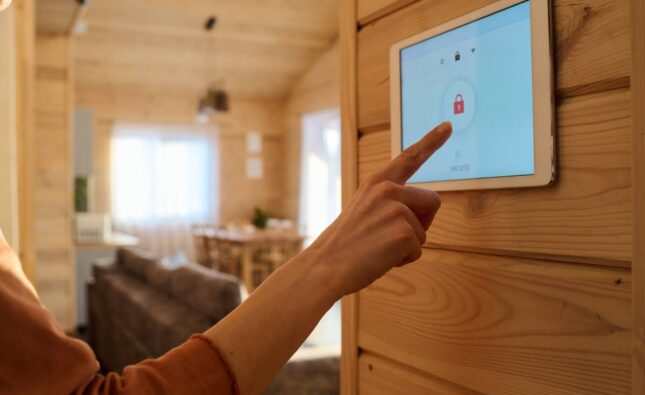
Achieving this level of perfection is essential if you are modernizing your property. Just as you might invest in the latest home automation setup to elevate your lifestyle, your wall finishes must match that same standard of sophistication to create a truly cohesive luxury environment.
We often obsess over paint colors, effectively ignoring the surface underneath. This is a critical mistake.
Paint is not a filler. It is a topcoat. If your underlying plasterwork is rough, porous, or uneven, the paint will highlight those flaws, not hide them. This is especially true with modern lighting trends.
The Unforgiving Nature of Modern Lighting
In the past, central incandescent bulbs cast a soft, forgiving glow. Today, we use:
- Recessed Downlights (Pot lights)
- Wall Washers
- LED Strips
- Large Natural Light Windows
These light sources cast “grazing light” down the wall. On a standard drywall finish, this lighting creates shadows behind every tiny bump or ridge.
Quality plastering delivers a “Level 5 Finish.” This is the highest degree of quality in drywall and plaster finishing. It involves covering the entire surface with a thin coat of joint compound (skim coat) to equalize the texture. The result is a monolithic surface that interacts beautifully with light, rather than fighting against it.

Durability: Plaster vs. Standard Drywalling
Beyond looks, we need to talk about longevity. Much like choosing between composite vs timber decking for your exterior, choosing between plaster and standard drywall is about deciding how much maintenance you are willing to tolerate in the future. A standard “tape and joint” finish is softer and more prone to damage than a fully plastered or skim-coated wall.
When you invest in quality plastering, you are investing in armor for your home’s interior.
1. Impact Resistance
Standard drywall dents easily. A door handle hitting the wall or a child’s toy can leave a permanent depression. High-quality plaster cures to a much harder density than standard gypsum board. It resists dings and scuffs, keeping your home looking newer for longer.
2. No More “Nail Pops”
We’ve all seen them—little circular cracks or bumps where the drywall nails or screws have shifted. This happens due to the natural settling of the house.
- The Plaster Advantage: A professionally applied plaster coat creates a unified skin that bridges these minor movements better than standard joint compound, significantly reducing the recurrence of cosmetic cracks.
3. Moisture Control
In areas like kitchens and bathrooms, walls face constant humidity. Poorly finished walls can absorb moisture unevenly, leading to paint peeling. Quality plaster provides a dense, uniform seal that holds gloss and semi-gloss paints securely, acting as a barrier against dampness.
Pro Tip: For older homes with lathe and plaster walls, never tear them down unless necessary. Their soundproofing and insulating qualities are often superior to modern drywall. Repairing them with a skim coat is usually the better strategic move.
The Financial Payoff: Increasing Resale Value
You might be thinking, “Will a buyer really notice the plaster?”
Consciously? Maybe not. Subconsciously? Absolutely.
Buyer psychology is driven by “perceived value.” When a buyer walks into a high-end home, they expect perfection. If the walls look wavy or the texture is inconsistent (e.g., “orange peel” texture next to smooth texture), it signals deferred maintenance.
The “Move-In Ready” Premium
Homes that require zero work command the highest prices.
- The Objection: Buyers calculate the cost of fixing bad walls. They overestimate this cost, often deducting $5,000–$10,000 from their offer for “painting and repairs.”
- The Reality: By presenting flawless walls, you remove a major negotiation lever from the buyer. You present the home as “turnkey.”
Setting the Stage for Other High-Value Items
If you install a $30,000 kitchen against a wavy, poorly plastered wall, you have devalued the kitchen. The cabinets will not sit flush. The backsplash tile will show gaps. Perfect plastering ensures your other expensive renovations (cabinetry, tiling, trim) look their absolute best.

Skim Coating: The Secret Weapon for Renovations
If you aren’t building a new home but want that luxury look, skim coating is your best friend.
What is Skim Coating?
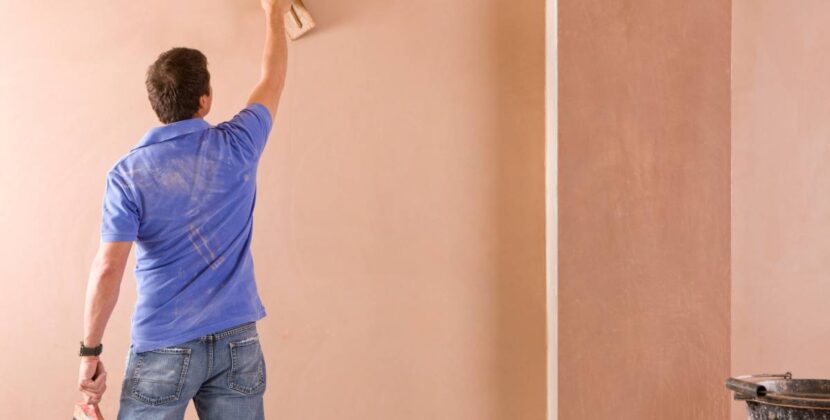
Skim coating is a texturing technique used to make a wall smooth. A plasterer applies a thin coat of joint compound over the entire wall surface, then sands it down.
When Should You Skim Coat?
- After Removing Wallpaper: Wallpaper removal often damages the paper face of the drywall. Painting directly over this looks terrible. Skim coating restores the surface to brand new.
- Covering Old Textures: If you have dated “popcorn” ceilings or “knockdown” texture walls, skim coating is the modern antidote.
- Restoring Old Plaster: For historic homes where the walls have undulations and cracks, a full skim coat reinforces the wall and provides a smooth surface without losing the character of the home.
- Improving Indoor Air Quality: Heavily textured walls act as magnets for allergens. Skim coating creates a sealed surface that prevents build-up, which is a major relief if you often wonder why there is always dust in your house.
The ROI on skim coating is massive. It is often the difference between a house feeling “old and tired” vs. “vintage and restored.”
Conclusion: Don’t Skimp on the Skeleton
Your walls are the skeleton of your interior design. You can change the furniture, swap the rugs, and update the lighting, but you cannot easily fix the walls once the furniture is in.
Quality plastering improves your home’s finish by providing a glass-like canvas. It improves durability by resisting impacts and moisture. And ultimately, it drives value by signaling to the world that this is a property of substance and quality.
So, here is the question you need to ask yourself: Are you renovating for right now, or are you building a finish that will stand the test of time?
If you want a home that commands respect and retains value, the answer is in the plaster.
Ready to transform your walls? Contact the team at Pro Plaster N Paint today. Let us help you achieve the flawless, high-end finish your home deserves.
FAQs
Q: Is skim coating expensive compared to regular painting? A: Yes, skim coating costs more than a standard paint job because it is a labor-intensive process requiring high skill. However, it is cheaper than re-drywalling a room and is essential if your current walls have damage, wallpaper glue, or heavy texture.
Q: How long does a freshly plastered wall take to dry? A: Drying time depends on humidity and thickness, but generally, you should wait 3 to 5 days before painting fresh plaster. The wall should be a uniform light color with no dark (damp) spots before you apply primer.
Q: Can I plaster over painted walls? A: Yes, but preparation is key. The painted surface must be cleaned, sanded (scuffed) to create a mechanical bond, and treated with a bonding agent (like PVA) before applying the new plaster to ensure it adheres correctly.
Q: What is the difference between a Level 4 and a Level 5 drywall finish? A: A Level 4 finish is standard for residential homes, where joints and fasteners are taped and sanded. A Level 5 finish involves applying a thin skim coat over the entire surface. Level 5 is recommended for areas with high gloss paint or severe lighting conditions.
Q: Does plastering help with soundproofing? A: Yes. Plaster is denser than drywall. A thick coat of quality plaster adds mass to the wall, which helps dampen sound transmission between rooms, contributing to a quieter, more solid-feeling home.