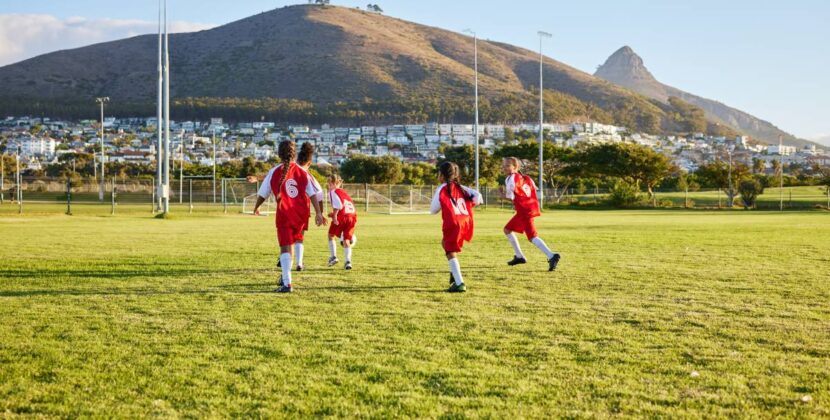
It’s late July. The rains have set in, and your local footy oval is starting to look less like a sports field and more like a mud wrestling pit.
The center square is a bog, the goal mouths are bare earth, and your committee is already complaining about the cost of re-turfing in October. As a groundskeeper or club admin, this is the annual headache you dread. You need a surface that doesn’t just look good in summer but survives the brutality of an Australian winter football season.
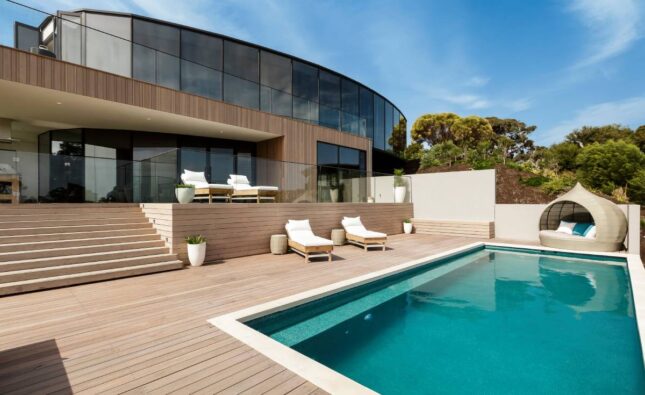
Just as homeowners debate the durability of composite vs timber decking for NSW weather, club committees must weigh their turf options against the harsh local elements—and Village Green is the clear winner for winter resilience.
There is a solution that is changing the game for local and amateur AFL ovals. It isn’t Santa Ana Couch, and it isn’t your grandfather’s wild Kikuyu. It is Village Green Kikuyu.
Can You Use Village Green Kikuyu for AFL?
Yes, Village Green Kikuyu is an exceptional choice for AFL ovals and high-traffic sports fields. Unlike common Kikuyu, Village Green is a PBR-certified “sterile male” variety, meaning it produces no pollen and no seed heads. It is specifically bred to remain green and active during winter, offering superior self-repairing capabilities through a dense rhizome system that recovers rapidly from stud damage and heavy tackles.
The “Sterile Male” Advantage: Why Biology Matters
Most people associate “Kikuyu” with that aggressive, itchy grass that invades garden beds. That is common Kikuyu (Pennisetum clandestinum).
Village Green is different. It is a pure strain that solves the two biggest complaints regarding Kikuyu in sports:
- No Pollen (Hypoallergenic): Because it is a sterile male plant, it does not produce pollen anthers. This is a massive win for player welfare, significantly reducing hay fever and allergic reactions during the match.
- No Seed Heads: Common Kikuyu produces unsightly seed heads that hide in the sward. Village Green focuses its energy on vegetative growth (leaves and roots) rather than reproduction.
Key Takeaway: By removing the reproductive cycle, the grass channels all its energy into root density and leaf regeneration, making it tougher than standard varieties.
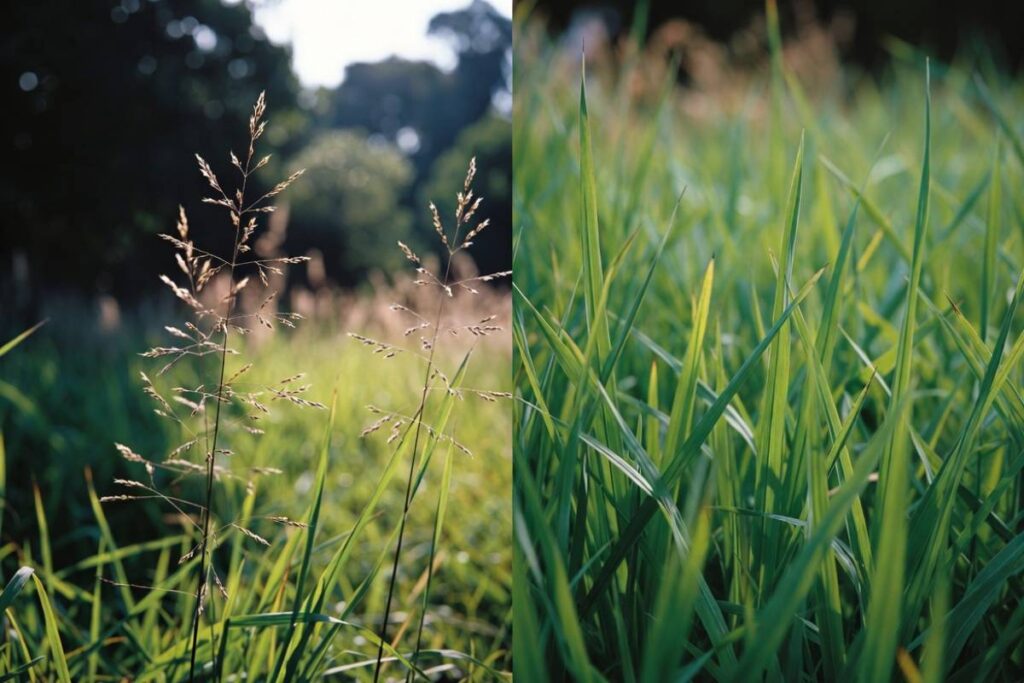
Surviving the Winter Crush: Durability & Recovery
In AFL, the grass isn’t just aesthetic; it’s a safety surface. The primary reason we recommend Village Green for community clubs is its Winter Activity.
Most warm-season grasses (like Couch/Bermuda) go dormant in winter. They turn brown, stop growing, and lose their ability to repair. Once a stud tears out a chunk of dormant Couch in June, that hole remains there until September.
Village Green stays active:
- Extended Growing Season: It holds its colour and growth momentum deep into winter, long after other varieties have yellowed.
- Rhizomatous Repair: It grows via both stolons (above ground) and rhizomes (underground). If a player’s boot shears the top off, the underground runners quickly shoot up new growth.
- Wear Tolerance: It forms a thick, carpet-like mat that cushions falls and resists tearing.
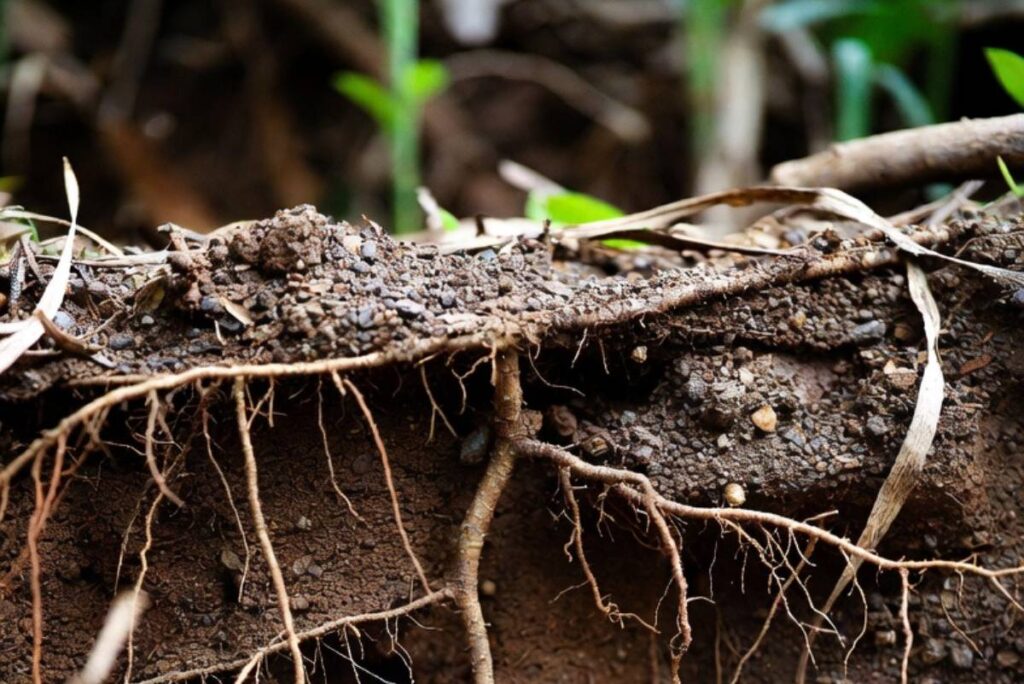
The Safety Factor: Traction and Allergies
AFL is a high-impact, multidirectional sport. Players need to pivot, accelerate, and tackle without losing their footing.
1. Superior Traction
Because Village Green forms a dense thatch layer, it holds the boot stud firmly. It provides a stable platform that reduces the risk of non-contact soft tissue injuries caused by slipping on mud or unstable sandy patches.
2. Softness Underfoot
We often hear from players that Village Green feels “spongy” in a good way. That dense biomass absorbs shock, reducing the impact on knees and ankles compared to harder surfaces like Couch varieties that can become concrete-hard in dry spells. This shock absorption isn’t just about comfort; it supports safer training loads. A consistent, softer surface complements endurance training protocols, such as the science behind Zone 2 running, by allowing players to build aerobic base with reduced impact stress on joints compared to harder surfaces.
3. No “Itch”
The absence of seed heads and the finer leaf texture means players are less likely to suffer from “grass rash” or abrasions after a sliding tackle.
Maintenance Realities for Club Groundskeepers
Switching to Village Green isn’t just about the players; it’s about your maintenance budget. While no grass is “zero maintenance,” this variety offers specific efficiencies.
- Less Mowing (Wait, really?): While it grows vigorously, because it doesn’t shoot up seed heads, the vertical growth is more uniform. You aren’t mowing just to decapitate weeds.
- Weed Suppression: The density of Village Green is so high that it naturally chokes out weeds. This reduces your chemical spend on herbicides.
- Nutrient Efficiency: It loves Nitrogen, but its deep root system makes it highly efficient at scavenging nutrients and water, making it more drought-tolerant than Ryegrass over-sows.
- Holistic Grounds Care: While you focus on the turf, don’t ignore the perimeter. Regular maintenance of surrounding vegetation is crucial to prevent shade issues on the pitch; understanding why tree pruning is important ensures your oval gets the full sun exposure Village Green Kikuyu needs to thrive.
The Fertilizer Strategy: To keep it “stadium quality” for AFL, you must feed it. We recommend a high-nitrogen program in late Autumn to “load up” the plant before the cold hits. This ensures the green color holds through the finals series.
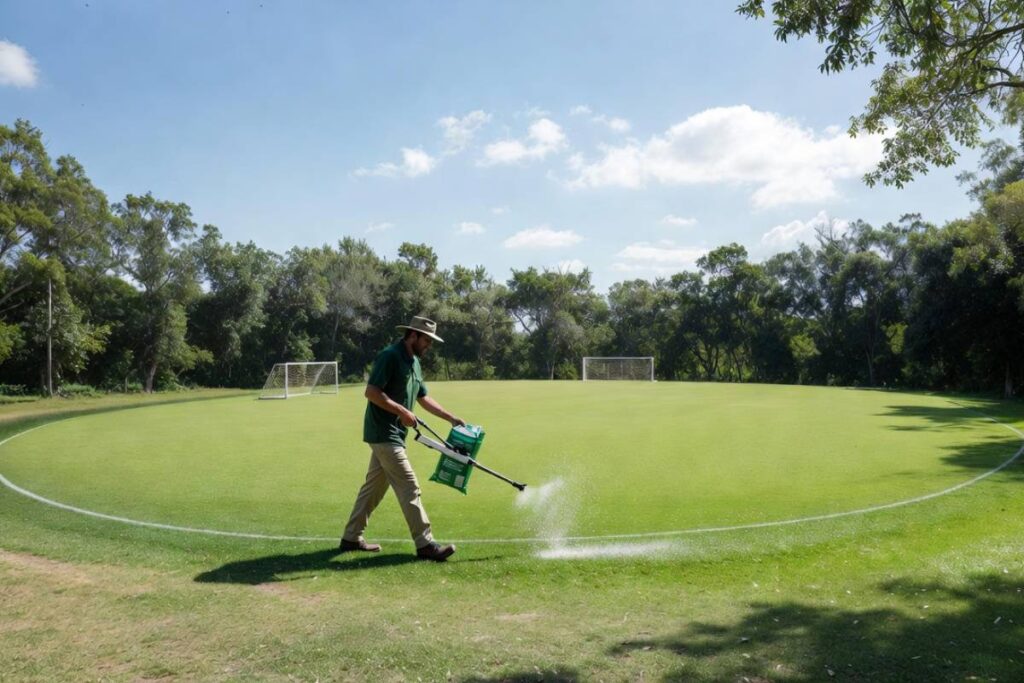
Conclusion: The Final Verdict
Is Village Green Kikuyu suitable for AFL? Absolutely. In fact, for local councils and community clubs that cannot afford the million-dollar maintenance budgets of the MCG, it is arguably the smartest choice.
It offers the durability of common Kikuyu without the allergies or invasiveness, and it provides the winter recovery that Couch grass simply cannot match. If you want a field that is green for the first bounce of the season and still green for the Grand Final, this is your turf.
Are you ready to stop re-turfing your goal squares every October? We recommend contacting trusted local specialists like A View Turf to assess your ground and see if this variety is the right fit for your club’s needs.
Frequently Asked Questions
While it is highly drought-tolerant once established, maintaining a soft surface for AFL requires regular watering. However, its deep root system allows it to access groundwater better than shallow-rooted varieties, making it more water-efficient overall.
It has moderate shade tolerance, certainly better than Couch, but like all sports turf, it thrives best in full sun. For stadiums with massive grandstands casting permanent shadows, you may need supplemental grow lights or a different cultivar.
Village Green is vigorous, but because it is sterile (no seeds), it cannot spread via wind or birds dropping seeds. It only spreads via runners, which can be easily controlled with a concrete edge or regular edging.
Santa Ana is faster and provides a “billiard table” surface ideal for cricket, but it goes dormant in winter. Village Green is softer, recovers better in winter, and is generally more robust for the heavy wear of football codes.
You can, but one of the main selling points of Village Green is that you often don’t have to. It’s a natural winter activity that often eliminates the costly need for annual Rye over-sowing.